The History of ABBA, Chapter 5


Chapter 5


1977

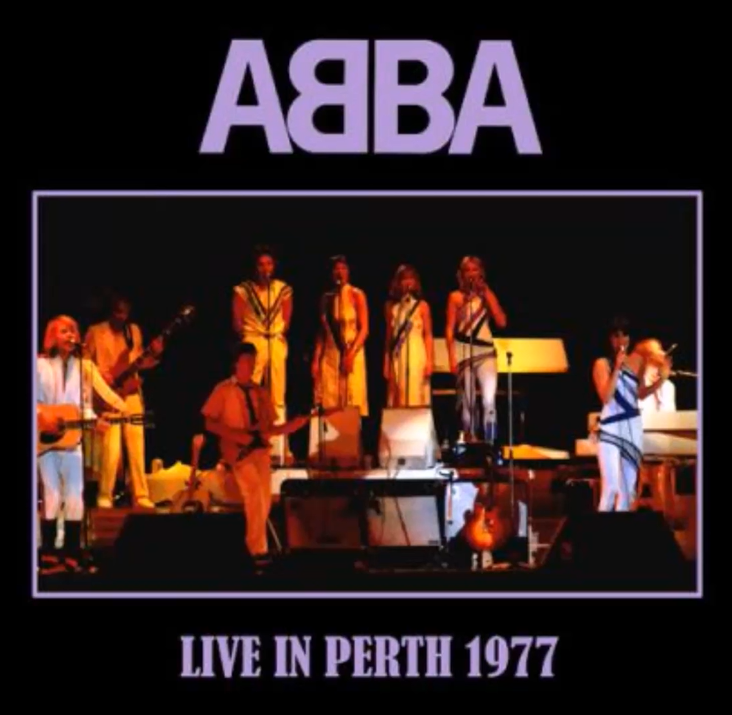
1977 begins with a world tour that debuts in Oslo on January 28th. ABBA dislikes live concerts because they value studio sound quality more and believe it can't be reproduced as well live.

Furthermore, Björn and Benny prefer writing and recording songs rather than performing. That's why ABBA only went on two world tours, and we still don't have a complete recording of any of the concerts from the 1977 tour. This is a shame, because they included a mini-musical called "The Girl With Golden Hair," consisting of four songs with narration between them, which can only be heard on bootleg recordings.

The 1977 tour was divided into two parts; the first consisted of 14 European cities, ending in London.
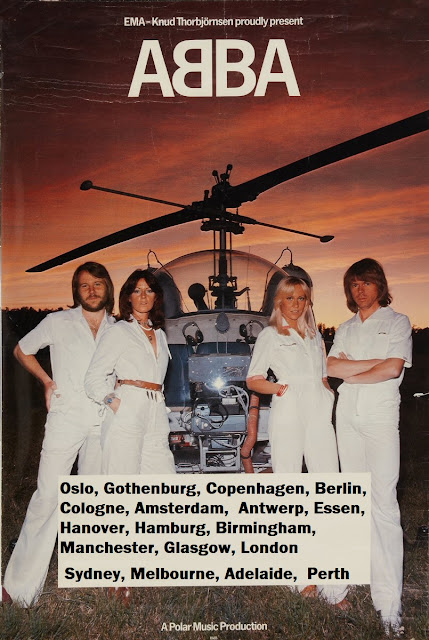
As an anecdote, in London, tickets had to be purchased by mail, and they received 3.5 million applications, which would have forced ABBA to play at the Royal Albert Hall for around 580 nights.


Afterwards, they flew to Australia for 11 concerts in four cities. It was there that most of the scenes for the film "The Movie" were shot, directed by Lasse Hallström and released later that year.
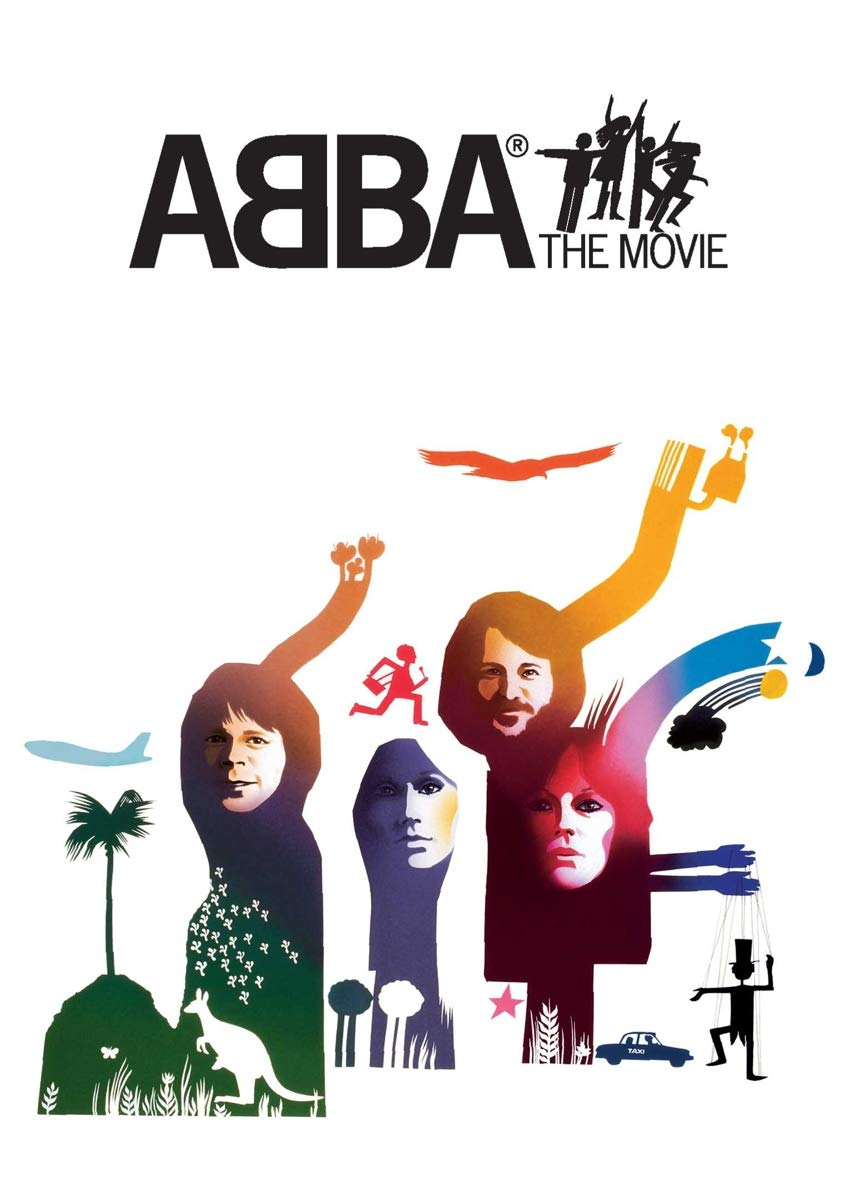


In this case, Stig gave them carte blanche with an unlimited budget to make this film, resulting in a technically superb film with superior sound quality. It's true that, to ensure the sound was perfect, Björn and Benny had the girls' voices re-recorded over the live recordings.

In October of that same year, a promotional single with five excerpts from those concerts was released.


The Album

Despite the tour and its preparations, and the film, which they had to finish in Sweden in June, Björn and Benny had time to create the next album, which, perhaps due to lack of time, was left untitled and would continue to be called "The Album".
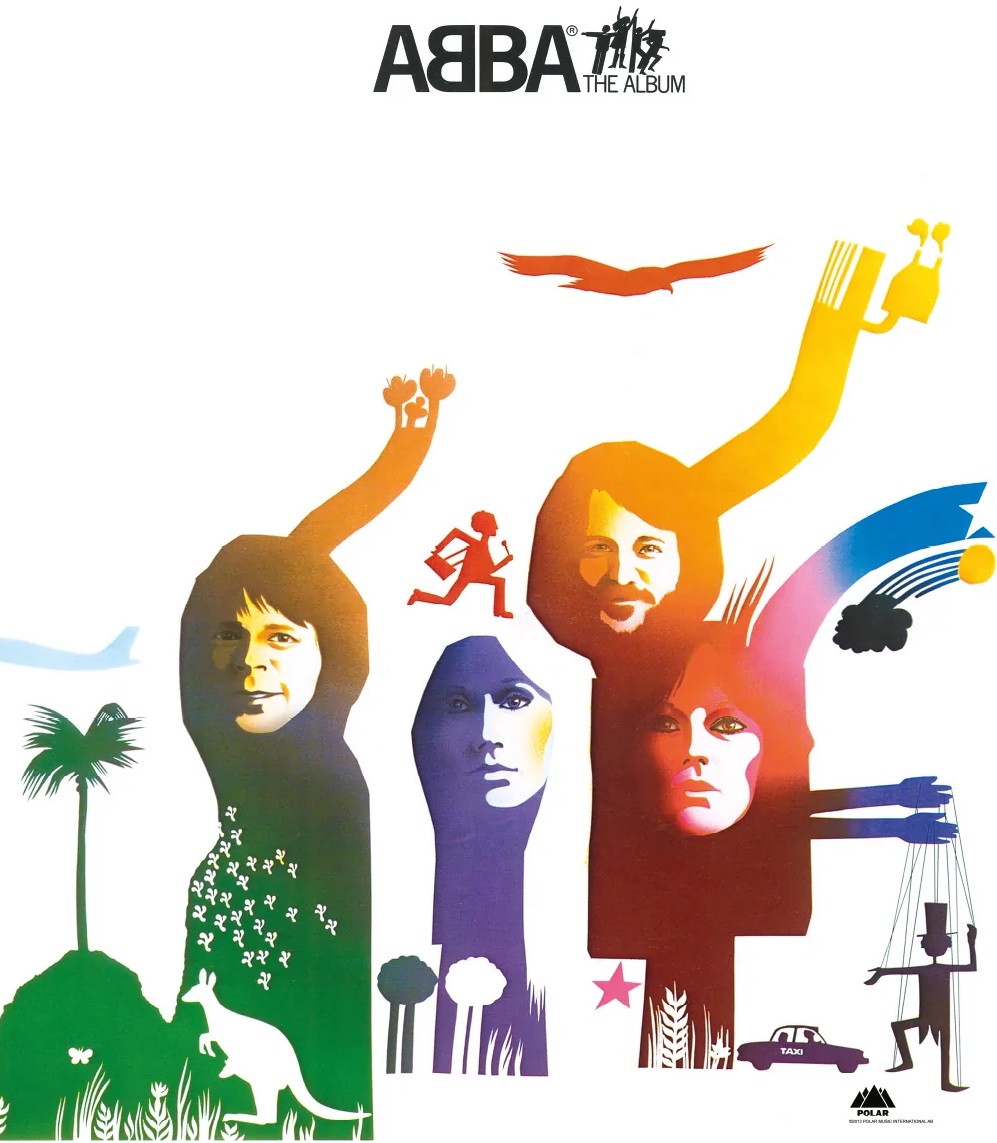
The album was recorded between May and November 1977. It was released alongside "ABBA The Movie" (released in December of the same year), featuring several of the songs featured in the film. The mini-musical "The Girl With The Golden Hair" is included, but with only three songs instead of four, and without the narration. The best-known of these is, of course, "Thank You For The Music," which opens the musical.


Rune Söderqvist was the artist for the album cover and the film poster. Rune is also responsible for designing the ABBA logo with the backwards B. It's true that the first time the backwards B was seen was during a photo shoot with Bubi Eilleman for "Dancing Queen," but he only complained that it was backwards and put it right side up.

It's worth mentioning that Lasse Wellander made his debut with ABBA on this album, playing electric guitar.

Regarding the singles, "The Name of the Game" was a number 2 hit in the Netherlands, Belgium, and Sweden, while "Take a Chance on Me" was a number 1 hit in Austria, Belgium, and Mexico and reached the Top 3 in the United States, Canada, the Netherlands, Germany, and Switzerland. A third single, "Eagle," was released in Europe, becoming a number 1 hit in Belgium and a Top 10 hit in the Netherlands, Germany, Switzerland, and South Africa.


1978

By 1978, ABBA was already one of the biggest bands in the world. They converted a movie theater into the Polar Music Studio, a state-of-the-art studio in Stockholm. The studio was used by several other well-known bands, such as Genesis and Led Zeppelin.

Led Zeppelin brought a synthesizer, the Yamaha GX1, which greatly interested Benny. This state-of-the-art synthesizer, which cost the equivalent of $350,000 today, was an important element in ABBA's music on their upcoming albums.

In May 1978, the group traveled to the United States for a promotional campaign, performing alongside Andy Gibb on Olivia Newton-John's television show.


The recording sessions for the single "Summer Night City" were a struggle for Björn and Benny to achieve an acceptable result; however, upon its release, the song became another hit for the group. The track would lay the groundwork for ABBA's foray into disco music with their next album.


In November, they went on a promotional tour of Japan, appearing on several television programs and recording the Japan special, which could be seen on major television stations around the world.


In December 1978, "Chiquitita" was recorded and released in January 1979 as the first single from the group's seventh album, Voulez-Vous. Originally, "If It Wasn't for the Nights" was to be chosen as the album's lead single, but after the recording of "Chiquitita" was completed, those plans were abandoned. The single reached number 1 in ten countries.


ABBA - If it Wasn't For The Nights

1979

On January 9, 1979, the group performed "Chiquitita" at the "Music for UNICEF" Concert, held at the United Nations General Assembly to commemorate UNICEF's Year of the Child. ABBA donated the royalties from this worldwide hit to UNICEF, and as of 2021, royalties from the song have raised $4.8 million for the charity.

In February, they were in Switzerland to record a special for English television, which revealed songs that weren't even finished, as they are different from those that would ultimately appear on the next album.


ABBA - Lovers (Live a Little Longer)(First version from ABBA in Sweitzerland)

Seeing the success of Chiquitita in Spanish-speaking countries, ABBA decided to record a Spanish version. The song was translated by Buddy and Mary McCluskey and recorded on March 8, 1979. It reached number 1 in Mexico, Argentina, Chile, Costa Rica, and Colombia; while reaching number 5 in Spain.

In May, they returned to Spain to appear on the programs Aplauso and 300 millones. It's worth mentioning that they hadn't set foot in a Spanish studio since 1974, because Stig became angry with the director of the program "Ladies and Gentlemen" because he thought they had made ABBA work too hard to get all the shots during the recording of the program. He vowed not to return to Spain while director Valerio Lazarov was in charge.


ABBA - Gracias por la Música

Since 1969, Görel Hanser worked alongside Stig, and today she is still ABBA's legal representative. For this reason, we include her as the seventh member of ABBA, behind ABBA, Stig, and Michael.

On June 21, 1979, she turned 50, and to celebrate, ABBA and Stig recorded the song "Sång Till Görel" and released a single with only 50 copies.

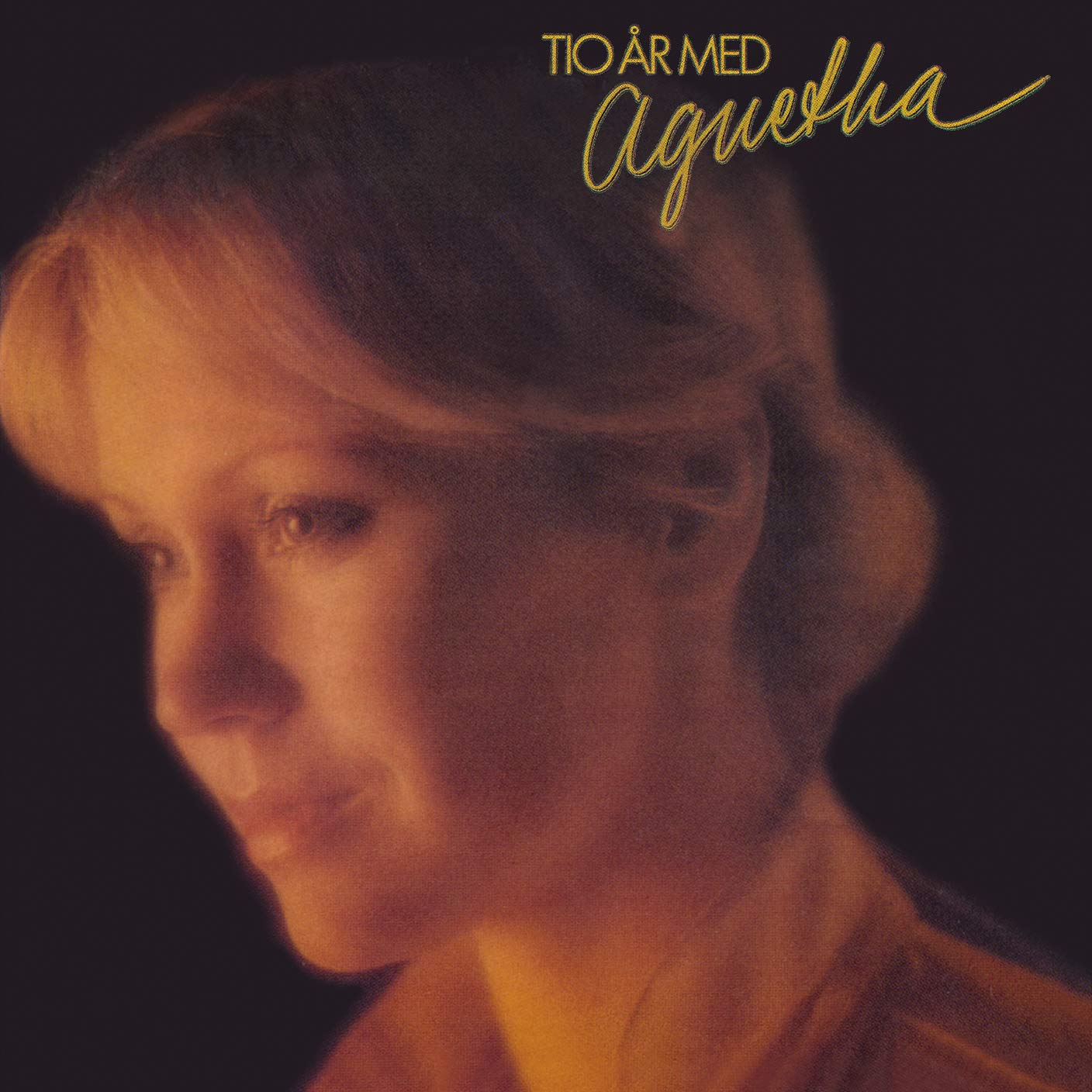
In September 1979, Agnetha released her compilation album "Tio år med Agnetha".


Voulez-Vous (el álbum)

For the first time, finishing an album was difficult. “Voulez-Vous,” which was scheduled for completion in late 1978, had to be delayed until April 1979.


Numerous songs were recorded that ultimately didn't appear on the album, including “Summer Night City,” which Benny never really liked.

Furthermore, due to a lack of inspiration, and despite having their new studio, Björn and Benny went to the Bahamas to try different things.

It worked for them, and they happily recorded “Voulez-Vous” and “Kisses of Fire” at Criteria Studios in Miami, with the group Foxy, who were there at the time.

Finally, the album was ready for release, and to emphasize the shift toward a disco sound, the album cover photo was taken at the Alexandra nightclub in Stockholm. The album was released on April 23, 1979, at the same time as “Does Your Mother Know?”, which came out two days earlier.


ABBA - Kisses of Fire

In the following months, ABBA released the singles "Voulez-Vous" and "I Have A Dream" (a live version from London's Wembley Arena), as well as a new, later-recorded song, "Gimme! Gimme! Gimme! (A Man After Midnight)".

In October 1978, Benny and Frida married after almost ten years of living together, while Björn and Agnetha divorced in early 1979, also after ten years of marriage. Despite everything, ABBA continued and went on a world tour, this time to the United States and Europe, achieving tremendous success, with every ticket sold in the 17 cities in the United States and Canada, and the same number in Europe. The selected songs were taken from all the albums except "Ring Ring" and were complemented by three bonus tracks.

The first, “Gammal Fäbodpsalm,” is a traditional Swedish anthem, which Benny included as a reminder of where ABBA came from. “I'm Still Alive,” sung by Agnetha solo on piano and written by herself, serves as an interlude, along with “Not Bad at All,” performed and written by Tomas Ledin.


They also released the single “I Have A Dream,” with “Take A Chance on Me” live on the B-side.

ABBA - Take A Chance on Me (Live)

ABBA released “Greatest Hits Volume II” in October 1979, coinciding with their North American tour. It was ABBA's second chart-topping album of the same year. It already featured the new single “Gimme! Gimme! Gimme! (A Man After Midnight),” recorded in August 1979, which was not included on “Voulez-Vous.”


Frida - Stilla Nacht (Live Uppesittarkväll)


L'Histoire d'ABBA, Chapitre 5


Chapitre 5


1977

1977 commence avec une tournée mondiale qui débute à Oslo le 28 janvier. ABBA n'aime pas les concerts live car ils accordent plus d'importance à la qualité du son en studio et pensent qu'elle ne peut pas être reproduite de la même manière en live.

De plus, Björn et Benny préfèrent écrire et enregistrer des chansons plutôt que de les interpréter. C'est pourquoi ABBA n'a fait que deux tournées mondiales, et nous n'avons toujours pas d'enregistrement complet d'aucun des concerts de la tournée de 1977. Et c'est dommage, car ils ont inclus une mini-comédie musicale intitulée « The Girl With Golden Hair », composée de quatre chansons avec une narration entre elles, qui ne peut être entendue que sur des enregistrements pirates.

La tournée de 1977 était divisée en deux parties, la première comprenant 14 villes européennes se terminant à Londres.

Pour l'anecdote, à Londres, il fallait acheter des billets par correspondance, et ils ont reçu 3,5 millions de demandes, ce qui aurait obligé ABBA à jouer au Royal Albert Hall pendant environ 580 nuits.


Ils se sont ensuite envolés pour l'Australie pour jouer 11 concerts dans quatre villes. Et c'est là que la plupart des scènes du film « The Movie », réalisé par Lasse Hallström, ont été tournées et diffusées plus tard la même année.


Dans ce cas, Stig nous a donné carte blanche avec un budget illimité pour réaliser ce film, ce qui donnerait lieu à un film techniquement superbe, avec une qualité sonore supérieure. Il est vrai que, pour garantir un son parfait, Björn et Benny ont fait réenregistrer les voix des filles par-dessus les enregistrements en direct.

En octobre de la même année, un single promotionnel est sorti avec 5 extraits de ces concerts.


The Album

Malgré la tournée et ses préparatifs, et le film qu'ils devaient terminer en Suède en juin, Björn et Benny ont eu le temps de créer l'album suivant, auquel, peut-être par manque de temps, ils n'ont pas donné de nom et qui continuerait à s'appeler « L'Album ».

L'album a été enregistré entre mai et novembre 1977. Il est sorti en même temps que « ABBA The Movie » (sorti en décembre de la même année), contenant plusieurs des chansons présentées dans le film. La mini-comédie musicale « La Fille aux cheveux d’or » est présente, mais avec seulement 3 chansons au lieu de 4 et sans la narration. La plus connue d’entre elles est bien sûr « Thank You For The Music », qui ouvre la comédie musicale.


Rune Söderqvist est l'artiste derrière la pochette de l'album et l'affiche du film. Rune est également responsable de la conception du logo ABBA avec le B à l'envers. Il est vrai que la première fois que le B a été vu à l'envers, c'était lors d'une séance photo avec Bubi Eilleman pour "Dancing Queen", mais il s'est simplement plaint qu'il était à l'envers et l'a remis à l'endroit.

Il convient de mentionner que Lasse Wellander a fait ses débuts avec ABBA sur cet album à la guitare électrique.

En ce qui concerne les singles, "The Name of the Game" a été un hit numéro 2 aux Pays-Bas, en Belgique et en Suède, tandis que "Take a Chance on Me" a été un hit numéro 1 en Autriche, en Belgique et au Mexique, et a atteint le Top 3 aux États-Unis, au Canada, aux Pays-Bas, en Allemagne et en Suisse. Et un troisième single, "Eagle", est sorti en Europe, devenant un hit numéro 1 en Belgique et un hit Top 10 aux Pays-Bas, en Allemagne, en Suisse et en Afrique du Sud.

1978

En 1978, ABBA était déjà l’un des plus grands groupes du monde. Ils ont transformé une salle de cinéma en Polar Music Studio, un studio ultramoderne à Stockholm. Le studio a été utilisé par d'autres groupes connus, tels que Genesis et Led Zeppelin.

Led Zeppelin a apporté un synthétiseur, le Yamaha GX1, qui a beaucoup intéressé Benny. Et ce synthétiseur de pointe, qui coûte l'équivalent de 350 000 dollars aujourd'hui, était un élément important de la musique d'ABBA sur les albums à venir.

En mai 1978, le groupe se rend aux États-Unis pour une campagne promotionnelle, se produisant aux côtés d'Andy Gibb dans l'émission télévisée d'Olivia Newton-John.


Les sessions d'enregistrement du single "Summer Night City" ont été une lutte pour Björn et Benny pour obtenir un résultat acceptable, cependant, dès sa sortie, la chanson est devenue un autre succès pour le groupe. Le morceau poserait les bases de l'incursion d'ABBA dans la musique disco avec son prochain album.


En novembre, ils effectuent un voyage promotionnel au Japon, où ils apparaissent dans plusieurs programmes télévisés et enregistrent l'émission spéciale Japon, qui sera diffusée sur toutes les principales chaînes de télévision du monde.


En décembre 1978, « Chiquitita » a été enregistré et publié en janvier 1979 comme premier single du septième album du groupe, « Voulez-Vous ». À l'origine, « If It Wasn't for the Nights » devait être choisi comme premier single de l'album, mais après l'enregistrement de « Chiquitita », ces plans ont été abandonnés. Le single a atteint le numéro 1 dans dix pays.


ABBA - If it Wasn't For The Nights

1979

Le 9 janvier 1979, le groupe a interprété « Chiquitita » lors du concert « Musique pour l'UNICEF » organisé à l'Assemblée générale des Nations Unies pour commémorer l'Année de l'enfant de l'UNICEF. ABBA a fait don des droits d'auteur de ce tube mondial à l'UNICEF et, en 2021, les droits d'auteur de la chanson ont permis de récolter 4,8 millions de dollars pour l'association caritative.

En février, ils étaient en Suisse pour enregistrer une émission spéciale pour la télévision anglaise, qui nous montrait des chansons qui n'étaient même pas terminées, car différentes de celles qui apparaîtraient finalement sur le prochain album.


ABBA - Lovers (Live a Little Longer)(First version from ABBA in Sweitzerland)

Voyant le succès de Chiquitita dans les pays hispanophones, ABBA décide d'enregistrer une version espagnole. La chanson a été traduite par Buddy et Mary McCluskey et a été enregistrée le 8 mars 1979. Elle a atteint le numéro 1 au Mexique, en Argentine, au Chili, au Costa Rica et en Colombie ; tout en atteignant le numéro 5 en Espagne.

En mai, ils sont retournés en Espagne pour apparaître dans les programmes Aplaso et 300 millions. Il faut noter qu'ils n'avaient pas mis les pieds dans un studio espagnol depuis 1974, car Stig s'était fâché contre le réalisateur de l'émission Ladies and Gentlemen car il pensait qu'ils avaient fait travailler ABBA trop dur pour obtenir tous les plans pendant l'enregistrement de l'émission et il s'était promis de ne pas retourner en Espagne tant que le réalisateur Valerio Lazarov serait là.


ABBA - Gracias por la Música

Depuis 1969, Görel Hanser travaille aux côtés de Stig et est aujourd'hui encore la représentante légale d'ABBA. C'est pour cette raison que nous l'incluons comme le septième membre d'ABBA, derrière ABBA, Stig et Michael.

Le 21 juin 1979, il a fêté ses 50 ans et pour fêter ça, ABBA et Stig ont enregistré la chanson "Sång Till Görel" et en ont fait un single avec seulement 50 exemplaires.


En septembre 1979, Agnetha sort son album de compilation "Tio år med Agnetha".


Voulez-Vous (el álbum)

Pour la première fois, il était difficile de terminer un album ; «Voulez-Vous», dont l'achèvement était prévu pour fin 1978, a dû être reporté à avril 1979.

Il y a de nombreuses chansons enregistrées qui n'apparaissent finalement pas sur l'album, notamment « Summer Night City », que Benny n'a jamais vraiment aimé.

De plus, par manque d'inspiration, et malgré leur nouveau studio, Björn et Benny se sont rendus aux Bahamas pour essayer différentes choses.

Cela a fonctionné pour eux, et avec une telle joie, ils ont enregistré de manière inattendue « Voulez-Vous » et « Kisses of Fire » aux Criteria Studios de Miami, avec le groupe Foxy qui était là à ce moment-là.

Finalement, l'album fut prêt à être publié, et pour souligner le passage vers un son disco, la photo de la pochette de l'album a été prise à la discothèque Alexandra à Stockholm. L'album est sorti le 23 avril 1979, en même temps que « Does Your Mother Know ? » qui est sorti deux jours plus tôt.


ABBA - Kisses of Fire

Dans les mois qui suivent, ABBA sort les singles « Voulez-Vous » et « I Have A Dream » (version live de la Wembley Arena de Londres), ainsi qu'une nouvelle chanson enregistrée plus tard, « Gimme! Gimme! Gimme! (A Man After Midnight) ».

En octobre 1978, Benny et Frida se marient après presque dix ans de vie commune, tandis que Björn et Agnetha divorcent début 1979, après également dix ans de mariage. Malgré tout, ABBA a continué et a fait une tournée mondiale, cette fois aux États-Unis et en Europe, avec un succès total, car pas un seul billet n'est resté invendu dans aucune des 17 villes des États-Unis et du Canada et dans le même nombre de villes en Europe. Les titres sélectionnés ont été tirés de tous les albums à l’exception de « Ring Ring » et ont été complétés par trois titres bonus.

Le premier, « Gammal Fäbodpsalm », est un hymne traditionnel suédois, que Benny a inclus pour nous rappeler d’où vient ABBA. « I'm Still Alive » chanté par Agnetha en solo, au piano, et écrit par elle-même, qui sert d'interlude, en même temps que « Not Bad at All » interprété et écrit par Tomas Ledin.


Ils ont également sorti le single "I Have A Dream" avec "Take A Chance on Me" en live sur la face B.

ABBA - Take A Chance on Me (Live)

ABBA a sorti « Greatest Hits Volume II » en octobre 1979, coïncidant avec sa tournée nord-américaine. C'était le deuxième album d'ABBA à se classer en tête des charts cette année-là, et il contenait déjà le nouveau single « Gimme! Gimme! Gimme! (A Man After Midnight) », enregistré en août 1979, qui n'était pas inclus dans « Voulez-Vous ».


Frida - Stilla Nacht (Live Uppesittarkväll)